

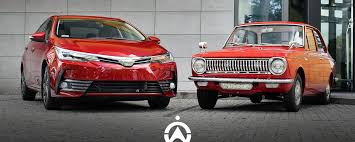
Modern cars are no longer just mechanical marvels but technology hubs rolling down highways and city streets. Advancements in vehicle technology are transforming everyday driving, introducing sophisticated systems that prioritize safety, efficiency, and convenience. Today’s vehicles come equipped with features that would have seemed futuristic a decade ago, from augmented reality dashboards to fully autonomous driving. Learn more about these innovations and how they impact the driving experience.
This transformation is not just about luxury. It’s reshaping the very foundation of mobility, accessibility, and sustainability on our roads. Whether you are a tech enthusiast or simply seeking a safer, more enjoyable driving experience, understanding the latest trends in automotive technology can help you stay ahead of the curve and make more informed decisions when purchasing a new car.
These rapidly emerging technologies aren’t just for show; they aim to make roads safer and driving more enjoyable. As manufacturers continue to innovate, drivers can expect unprecedented advancements that address both current challenges and future needs. This article explores key areas where new vehicle technology is driving change and what that means for the next generation of car owners and commuters.
Autonomous Driving Systems
Self-driving technology is rapidly changing the automotive industry landscape. Leading automakers such as General Motors have unveiled plans for “eyes-off” self-driving systems, set to debut as early as 2028. Unlike today’s semi-autonomous features, these systems will use an advanced combination of lidar, radar, and cameras to allow drivers to completely disengage from manual vehicle control under specific conditions, starting with highways and eventually expanding to city driving. Such developments promise not only to improve convenience but also to drastically reduce human error, a leading factor in most road accidents. Ongoing updates from global industry leaders highlight the rapidly evolving nature of autonomous driving systems.
Advanced Safety Features
Vehicle safety is advancing well beyond airbags and crumple zones. The U.S. National Highway Traffic Safety Administration (NHTSA) has redefined automobile safety ratings, incorporating next-generation features such as pedestrian automatic emergency braking, lane-keeping assist, and sophisticated blind-spot monitoring. These new standards encourage automakers to include these features in all new vehicles, moving the industry toward a safer future. Technology that can detect pedestrians or apply emergency braking autonomously is expected to significantly reduce collision rates. As these features become standardized, consumers can look forward to vehicles that do more to protect drivers, passengers, and pedestrians alike.
Electric Vehicle Advancements
The electric vehicle (EV) revolution is in full swing. The newest EV models offer breakthroughs in both range and charging speed, often exceeding 400 miles per charge. Innovations in battery technology, including improved lithium-ion cells, are also driving down costs and making EVs accessible to a broader segment of drivers. Brands like Tesla, Hyundai, and Rivian continue to push the boundaries, making electric vehicles more appealing with each model year. EV infrastructure is also growing, with more public charging stations being added nationwide. For an in-depth look at this shift, The New York Times analyzes how EVs are reshaping the market.
Augmented Reality Dashboards
Augmented reality (AR) dashboards and head-up displays (HUDs) are now taking over traditional dashboards. They project essential information, such as speed, navigation arrows, and hazard warnings, directly onto the windshield in the driver’s line of sight. This ensures that drivers remain focused on the road without having to look down or away. AR dashboards are becoming increasingly interactive and are even being integrated with advanced driver-assistance systems to enhance situational awareness. As adoption increases, they promise to further reduce distractions and enhance overall driving safety.
Biometric Access and Customization
Security and personalization are both seeing dramatic upgrades thanks to biometric technology. Systems that recognize facial features, fingerprints, or iris scans allow drivers to unlock, start, and even customize their vehicles based on stored preferences. Hyundai’s Santa Fe, for example, features fingerprint recognition for starting the engine and adjusting personalized settings. These systems enhance convenience while making vehicles harder to steal or use illicitly. Biometric developments signal a new era of automotive security and tailored experiences for every driver.
Solid-State Batteries
The next major step for EVs is solid-state battery technology. Unlike conventional lithium-ion batteries, solid-state designs use solid electrolytes, offering faster charging, improved safety, and much longer driving ranges. Automakers like Toyota are racing to bring solid-state batteries to market, aiming to achieve up to 600 miles on a single charge and recharge in as little as 10 minutes. As these batteries emerge, they have the potential to overcome many of electric vehicles’ current limitations and spur even wider adoption worldwide.
Smart Traffic Management
Smart traffic lights are now being tested in several urban centers, using connected sensors and artificial intelligence to monitor and control vehicle and pedestrian movement. These systems can adapt traffic signals in real time based on congestion, weather, or accidents, efficiently reducing wait times and improving safety. As smart infrastructure expands, the impact could be dramatic, reducing fuel consumption and emissions while smoothing the daily commute for millions of drivers.
Final Thoughts
The rapid pace of innovation in vehicle technology is fundamentally changing the driving experience. From autonomous systems and advanced safety enhancements to the electrification of vehicles and smarter traffic flow, each transformation brings us closer to roads that are safer, cleaner, and more enjoyable to travel. For drivers eager to stay ahead of the curve and to explore the most advanced vehicles on the market today, now is a better time than ever to embrace the future of transportation.
