

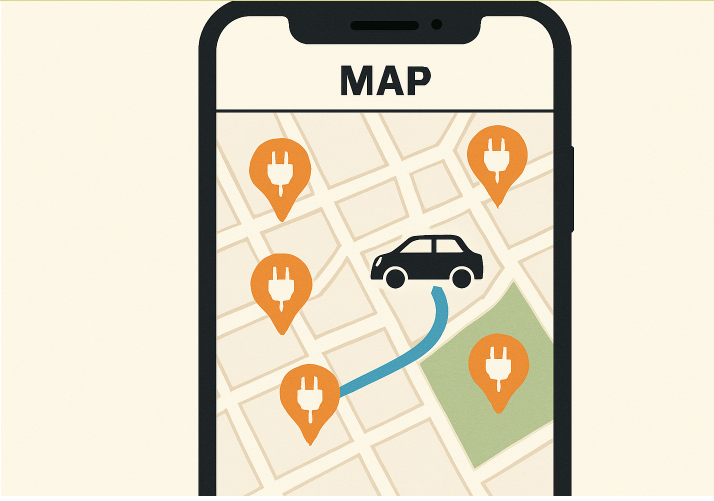
EV charging apps significantly reduce the stress of finding available charging stations by offering real-time information, comprehensive coverage, and user-generated insights.
- Modern features like live availability, integrated route planning, and direct navigation links streamline the entire charging process.
- Community reviews and frequent updates help users avoid unreliable or busy locations and encourage a smoother EV travel experience.
- Despite their many advantages, users should be aware of data discrepancies, limited network compatibility, and the impact of subscription models.
The Rise of Electric Vehicles and the Need for Efficient Charging
Electric vehicles have seen tremendous growth worldwide, and the shift away from internal combustion engines shows no signs of slowing. As more people adopt EVs, the need for accessible, reliable charging solutions is growing rapidly. For many drivers, planning routes and daily commutes now requires a keen awareness of charging infrastructure, making app-based guidance an essential tool in the modern EV ecosystem.
Navigating the expanding network of public and private charging stations can be overwhelming, especially for new EV owners. This challenge is where the utility of an EV charging app becomes evident. With a simple interface and smart tools, these apps can help streamline travel planning, delivering peace of mind and promoting wider EV adoption by reducing range anxiety for drivers everywhere.
EV charging apps not only map available stations near a user’s current location, but also display real-time information on occupancy and charger compatibility. As more charging operators enter the market, many apps aggregate data across several networks, greatly increasing the chances of finding an available charger whenever and wherever it is needed.
Moreover, with the ongoing investment in clean transportation, businesses and municipalities are increasingly supporting EV infrastructure. These partnerships are expanding the number of charging points and enhancing the accuracy and usefulness of the platforms connecting drivers to these stations.
Key Features of EV Charging Apps
Today’s top EV charging apps offer a range of advanced features to ensure quick, efficient charging.
- Real-Time Availability: Leading platforms like PlugShare share live data on plug status, allowing users to avoid busy or broken locations. Real-time updates help minimize travel delays and avoid showing up to an occupied or offline charger.
- Comprehensive Network Access: ChargePoint and similar providers provide users with an extensive map of charging stations, often spanning multiple countries and brands. This wide reach is essential for long-distance travelers.
- User Reviews and Ratings: Drivers can share firsthand experiences, rate reliability, mention amenities, and flag issues. This organic feedback loop helps other users set realistic expectations and avoid poor service.
- Route Planning: Many apps feature built-in trip planners. These help users plot out optimal charging stops along their route, accounting for vehicle range, station types, and anticipated wait times.
Enhancing the Charging Experience with Advanced Integrations
The integration of EV-specific data into mainstream navigation apps has delivered notable improvements in trip efficiency and charging confidence. An excellent recent example is Google Maps, which now includes live data feeds from networks. This addition enables drivers to preview charger speed, see how many stalls are available in real time, and get precise directions with just a few taps.
These advancements mean drivers can make better choices not just about the location, but also about timing, route, and which chargers are most suitable for their vehicle and itinerary. The growing partnership between major automakers, map providers, and charging networks signals even more seamless navigation and charging integration in the near future.
Community Contributions: A Game-Changer for EV Drivers
One of the standout features of the best EV charging apps is the crowdsourced data provided by everyday EV drivers. Apps thrive on this sense of community, as users routinely update station statuses, upload photos to help others identify chargers, and share tips about nearby coffee shops or food options while charging. This network effect improves the app’s accuracy, making it an indispensable tool for both new and veteran EV owners.
The open flow of information ensures that chargers reported as operational, inaccessible, or out of service are reflected in the app almost instantly. Community ratings also empower station operators to address issues quickly, improving reliability and trust within the EV ecosystem. For more insight into the community-driven growth of these platforms, readers can reference recent studies and articles spotlighting the collaborative nature of EV map apps and their positive impact.
Challenges and Considerations
Though EV charging apps have modernized journey planning, a few hurdles remain. First, real-time data often depends on how frequently networks and users update station status. As a result, drivers may occasionally arrive at a “live” station only to find unexpected issues or a recent queue that the app has not yet recorded.
- Data Accuracy: The rapid pace of changes within EV infrastructure can lead to temporary inaccuracies, especially at smaller or newly added charging points.
- Network Compatibility: Not all EV apps monitor every single charging network. To achieve the broadest coverage, some users rely on multiple apps simultaneously, which can be cumbersome.
- Subscription Models: While many apps are free, several offer premium features like advanced filtering, priority support, or detailed route planning as part of monthly subscription packages. This structure might add a minor cost, but the investment often pays off for frequent travelers.
It is worth noting that as public and private infrastructure continues to grow, both the coverage and the quality of these apps should only improve.
Final Thoughts
EV charging apps embody a quiet revolution in how electric vehicle owners interact with infrastructure on a daily basis. With tools like real-time availability, community reviews, connected navigation services, and broad charging network coverage, these platforms offer unparalleled support to drivers navigating an evolving landscape. By adopting a trusted EV charging app, owners can reduce time wasted searching for stations, gain peace of mind on the road, and play an active role in an ever-smarter electric driving ecosystem.
