

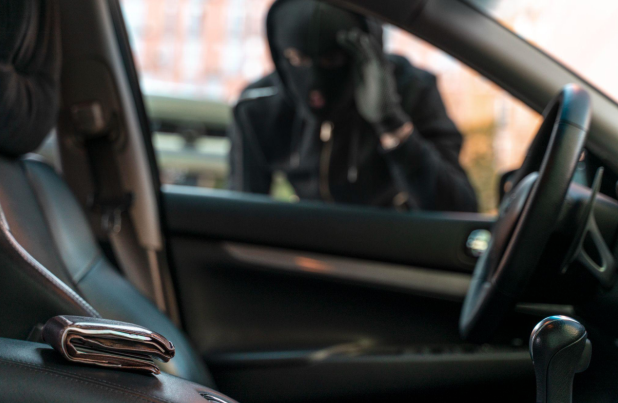
If you manage commercial property, you’re facing a problem that’s costing you more than you might realize. Vehicle theft isn’t just your customers’ headache; it’s a serious liability that can lead to insurance spikes and even legal trouble. And here’s the truth: commercial lots are prime targets. Those old-school security cameras that only record footage? They’re practically useless against today’s thieves. Let me walk you through five strategies that actually prevent vehicle theft before it turns into your crisis.
1. Deploy AI-Powered Surveillance Systems with Real-Time Threat Detection
Traditional cameras are like showing up after the party’s over; they document what already happened. What you need is intelligent tech that spots trouble brewing and stops it cold.
Smart Camera Technology That Goes Beyond Basic Recording
Modern surveillance means your system’s working while you sleep. AI cameras don’t just watch, they think. They’ll spot behavioral patterns that scream “suspicious” and alert your team before anyone touches a car door. License plate recognition tracks every vehicle entering your property, and mobile alerts hit your phone instantly. There’s a world of difference between passive recording and active prevention. One catches criminals. The other just films them.
Properties with robust parking lot security see theft attempts plummet because word gets around fast in criminal circles: you’re not an easy target.
Strategic Camera Placement for Maximum Coverage
Here’s the thing: You can’t protect company vehicles if your cameras have blind spots the size of Texas. Those pillars, corners, and loading zones where coverage dies? That’s exactly where thieves operate. Your camera angles need to capture vehicle identification numbers AND faces clearly. Most businesses mess this up entirely.
Thermal cameras are your secret weapon for nighttime coverage when standard cameras become pretty much worthless. How many do you need? Most commercial properties require one high-quality camera per 50-75 spaces, though your mileage may vary.
Cloud-Based Storage and Remote Monitoring Capabilities
Local DVR systems are dinosaurs. Cloud storage wins every time for security and convenience. Your security team can monitor from home, on vacation, anywhere with cell service. Connecting with professional security operations centers gives you 24/7 oversight without drowning in payroll costs.
State retention laws differ, but cloud systems simplify compliance with automated backups and audit trails nobody can tamper with.
2. Implement Multi-Layer Access Control Systems
Even military-grade cameras won’t stop someone who can waltz through your entrance and exit whenever they please; controlling access points forms your second defensive wall.
Smart Entry and Exit Management
RFID and proximity cards create a digital paper trail of every vehicle. You’ll know who belongs and who doesn’t. Automated gates with recognition technology solve that maddening “tailgating” issue where unauthorized vehicles slip through behind legitimate traffic. Your visitor protocols track every non-employee vehicle from arrival to departure.
Time-based restrictions automatically seal your property after hours, which deters car thieves who often case locations late at night looking for vulnerabilities.
Perimeter Security Integration
Smart fencing does more than mark property lines; it channels all traffic through monitored checkpoints where your surveillance and access systems collaborate. Vehicle barriers and bollards block ram-raid tactics that organized theft crews occasionally employ. Emergency overrides ensure ambulances and fire trucks don’t get stuck waiting during actual emergencies.
When access control and surveillance talk to each other, you’ve created something stronger than the sum of its parts.
Digital Audit Trails for Accountability
Every single entry and exit gets timestamped and logged. This becomes pure gold during investigations. Vehicle tracking throughout your facility pinpoints exactly when and where something went sideways. Integration with employee systems flags weird anomalies, like someone’s car entering at 3 AM on a Sunday.
Automated reporting cuts investigation time dramatically and provides law enforcement with evidence that actually holds up in court.
3. Create Hostile Environments for Car Thieves Through Environmental Design
Access technology matters, but thieves are scouting your physical layout for weaknesses long before they make their move. Strategic design eliminates opportunities at the source.
Crime Prevention Through Environmental Design (CPTED) Principles
Natural surveillance through smart landscaping means criminals have nowhere to hide while they work. Eliminating concealment zones, overgrown bushes, and dark alcoves removes the cover thieves absolutely depend on. Clear boundaries and prominent signage create territorial reinforcement that psychologically signals active oversight.
Property maintenance sends signals, too. Thieves gravitate toward neglected lots where they’re unlikely to encounter staff or patrols.
Advanced Lighting Systems for 24/7 Visibility
Here’s something that should worry you: most vehicle thefts happen after dark, often in dim or poorly lit parking areas. LED motion-sensor lighting provides bright, energy-efficient illumination that switches on the moment it detects movement. For commercial parking lot security, maintaining consistent, adequate lighting in active zones is essential.
Color temperature also matters more than most people realize. Cooler lighting—around the higher end of the kelvin range—can noticeably improve camera clarity. And when smart lighting floods a zone the instant it senses unusual activity, it startles potential thieves and alerts your security team at the same time.
High-Visibility Deterrent Signage and Markings
Never underestimate psychological deterrents. Surveillance warning signs work on criminals’ minds before they work on their actions. Designated parking with clear numbers makes tracking easier and project organization. Emergency contact information and security presence indicators remind everyone that help is a phone call away.
Multilingual signs matter in diverse commercial environments where your customers and staff speak various languages.
4. Establish Comprehensive Security Patrol Programs
Thoughtful environmental design throws up roadblocks, but nothing beats the deterrent value of trained personnel making unpredictable appearances across your property.
Mobile Patrol Units with Randomized Routes
Predictable schedules are gifts to thieves who’ll simply time operations around your guards. Randomized routes keep criminals off-balance and dramatically increase your odds of interrupting attempts. Frequency depends on your lot’s size, but figure on checks every 30-60 minutes for most commercial properties.
Vehicle patrols cover significantly more ground than foot patrols, though both have their place depending on your layout.
Security Guard Training Specific to Vehicle Theft Prevention
Generic training doesn’t cut it; your guards need specialized instruction on pre-theft surveillance behaviors. Proper response protocols protect everyone when theft is actually happening. Communication systems enable coordinated backup that arrives fast when situations escalate.
Documentation requirements might seem tedious, but they can make or break prosecutions when you catch criminals.
Hybrid Security Models: Human + Technology
Virtual guard services blending AI with remote monitoring deliver impressive coverage without breaking budgets. Strategic positioning slashes response times when incidents unfold. Escalation procedures matched to threat levels ensure proportional responses.
Cost analysis frequently shows hybrid models outperform traditional guard-only approaches dollar-for-dollar.
5. Deploy Vehicle Immobilization and Tracking Technologies
Your perimeter and patrols protect the lot itself, but this final defense layer targets individual vehicles, making cars nearly impossible to steal even if thieves penetrate everything else.
GPS Tracking and Fleet Management Systems
Real-time location monitoring means stolen company vehicles get recovered quickly, cutting losses substantially. Geofencing alerts trigger when vehicles exit designated boundaries during unauthorized hours. Integration with recovery services like LoJack boosts recovery rates dramatically.
ROI calculations for commercial fleet protection typically show payback within 12-24 months through prevented theft and insurance savings.
Electronic Immobilization Devices
Kill switches and steering wheel locks for fleet vehicles create physical obstacles thieves can’t bypass easily. Tire lock systems work beautifully for long-term parking where vehicles sit idle for extended periods. Catalytic converter protection addresses the parts theft epidemic plaguing commercial lots recently.
VIN etching makes vehicles less appealing to professional rings that resell stolen cars through seemingly legitimate channels.
Employee Vehicle Protection Programs
Your employees’ vehicles are targets too, and protecting them shows you value your team. Subsidized steering wheel locks and alarm systems make protection accessible for everyone, regardless of budget.
Employee education on vehicle theft prevention tips builds a security-aware culture where everyone watches for suspicious behavior. When your team understands how to protect company vehicles alongside their personal cars, your entire property becomes safer through collective vigilance.
Building Your Theft-Proof Commercial Parking Strategy
You’ll prevent vehicle theft in your commercial lot by layering these five approaches: surveillance, access control, environmental design, security patrols, and vehicle-level protection. No single measure stops every thief, but combined, they construct barriers that send criminals hunting for easier targets.
Begin with a professional security assessment to identify your property’s specific vulnerabilities. Your investment in proper commercial parking lot security pays dividends through avoided losses, lowered insurance costs, and the invaluable peace of mind your customers and staff deserve. Don’t wait for theft to damage your reputation and financial health; act before you become another statistic.
Your Questions About Commercial Lot Vehicle Theft Prevention
1. What’s the difference between monitored and unmonitored security cameras for preventing vehicle theft?
Monitored systems connect to live security teams who intervene during theft attempts through audio warnings or immediate police dispatch. Unmonitored cameras merely record evidence for later review. Monitored systems deter car thieves far more effectively because criminals face instant consequences rather than delayed accountability.
2. Can I be held legally liable if an employee’s vehicle is stolen from my parking lot?
Liability hinges on your state’s premises liability statutes and whether you implemented adequate security measures. Courts typically examine whether property owners took reasonable precautions against foreseeable crimes. Documented security investments significantly strengthen your legal defense during potential litigation.
3. How much does a comprehensive commercial parking lot security system cost?
Costs fluctuate based on lot dimensions and system sophistication, generally ranging from $5,000-$50,000 for equipment plus $500-$2,500 monthly for monitoring. ROI arrives through prevented theft losses, reduced insurance premiums, and avoided liability claims that frequently exceed security investments.
